How To Store Imitation Jewellery So It Does Not Turn Black Too Quickly
Learn how to store imitation jewellery the right way so it stays shiny for longer. These simple tips help prevent blackening, tarnish, moisture damage and dullness without expensive products or complicated care routines.
How To Prevent Imitation Jewellery From Tarnishing And Losing Shine
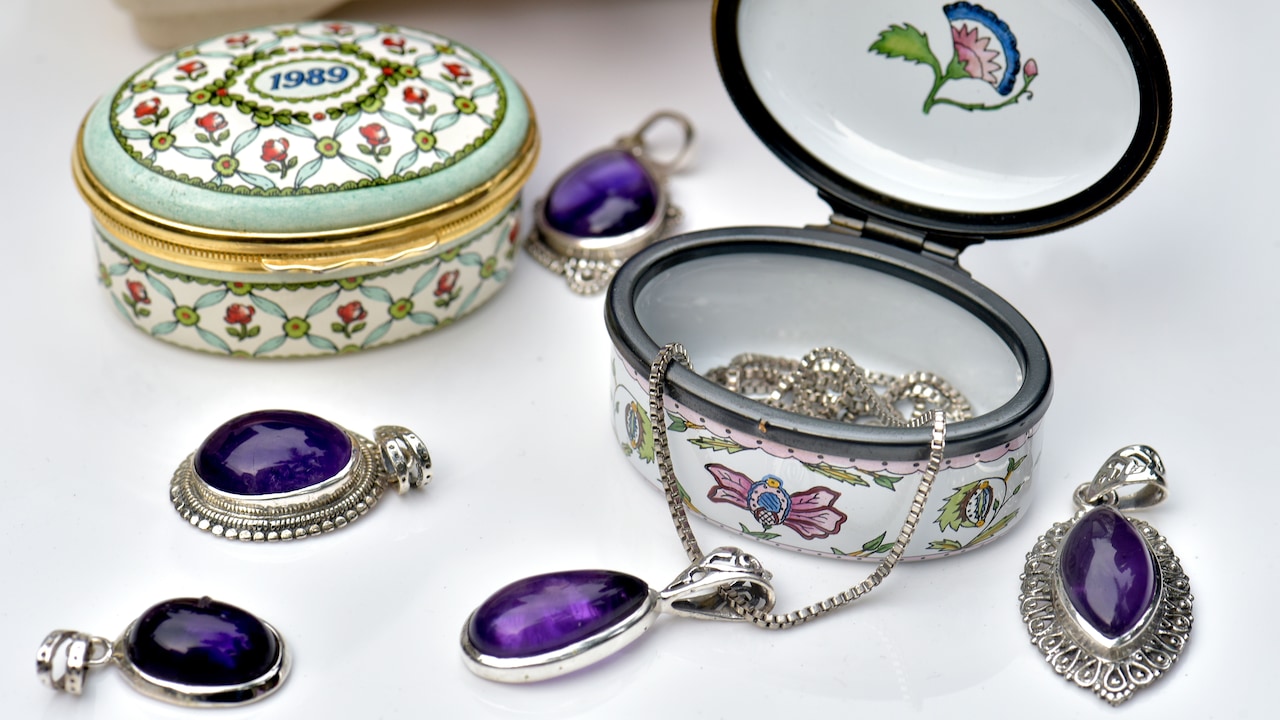
Every jewellery box has that one heartbreaking story. A pair of jhumkas was bought for a cousin's sangeet. A dainty chain picked up during a shopping trip. A statement necklace that looked expensive enough to fool three aunties at once. Then, after two uses and one lazy evening on the dressing table, the shine fades. The metal turns dull, the polish darkens, and the piece lands in the forgotten corner of the drawer. Imitation jewellery deserves better. It may not carry the price tag of gold or diamonds, but it carries memories, moods, and many last-minute outfit rescues. The trouble begins when these pieces meet their biggest enemies: moisture, sweat, perfume, body lotion, air exposure and friction. Unlike precious metals, fashion jewellery often has a thin plating or coating. Once that layer reacts with chemicals or humidity, blackening starts. The solution does not need fancy organisers worth more than the jewellery itself. A few smart habits, small pouches, silica gel packets and a bit of discipline can work wonders. Think of it as giving your jewellery its own small cupboard, away from chaos, dampness and drama.
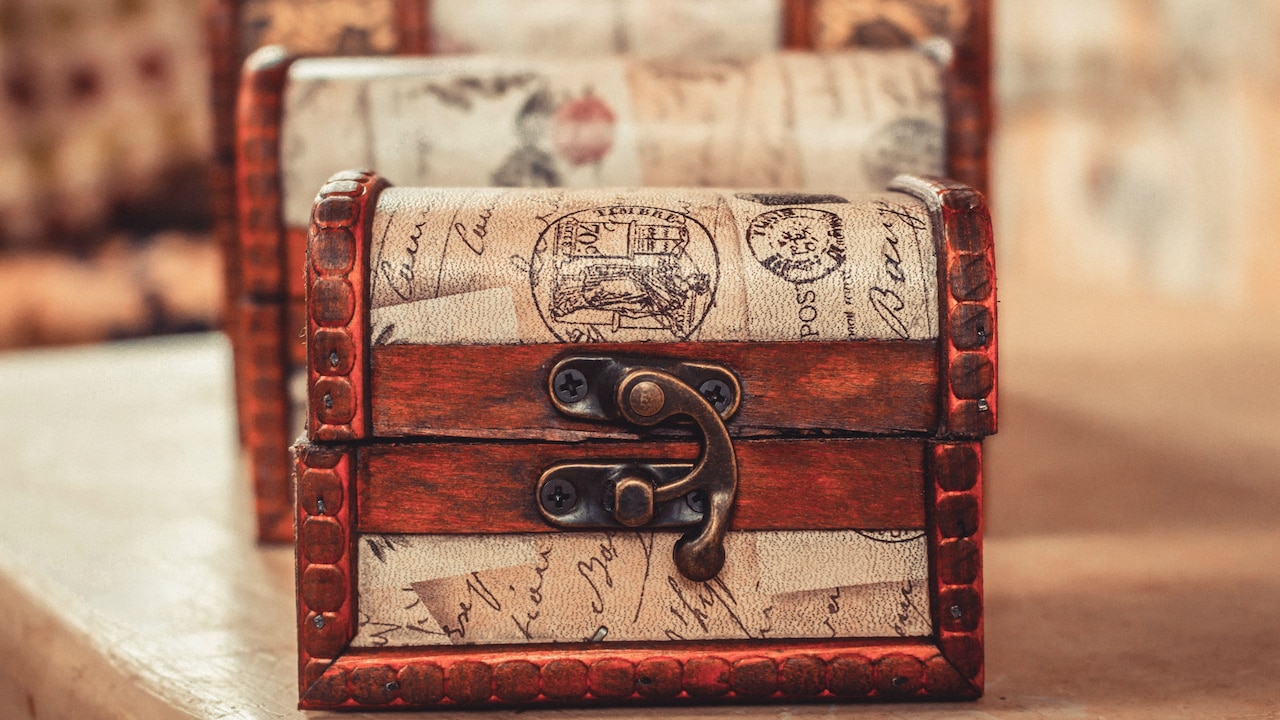
How To Prevent Imitation Jewellery From Tarnishing And Losing Shine; Photo Credit: Pexels
Smart Ways To Store Imitation Jewellery And Keep It Looking New
Store Each Piece Separately
Imitation jewellery loves attention, but not crowding. When necklaces, rings, earrings, and bangles sit together in one box, they rub against each other. Stones loosen, hooks bend, chains tangle, and polish wears off faster. That friction quietly removes the protective coating, and black patches appear sooner than expected.
The simplest trick is to store each piece separately. Small zip pouches, soft cloth bags, tiny boxes or even clean medicine pouches can do the job. For earrings, keep each pair in its own packet. For necklaces, close the clasp before storing so the chain does not knot itself into a puzzle worthy of a Sunday newspaper.
This habit works especially well for kundan, American diamond, oxidised, and gold-plated pieces. These designs often have delicate surfaces and tiny stones that cannot handle rough treatment. A ₹500 pair of chandbalis may look grand, but it still needs gentle storage. Separate storage also saves time when getting ready. No more digging through a jewellery jungle while the cab driver calls for the third time.
Also Read: Jewellery Style Guide: Minimalist Elegance or Bold Statement? Find What Suits You Best
Keep Jewellery Away From Moisture
Moisture is the quiet villain behind most blackened imitation jewellery. Humid cupboards, damp bathrooms, wet hair, rainy-season air, and sweaty palms can all speed up tarnishing. Many homes deal with sticky weather for months, so leaving jewellery exposed on a dressing table invites trouble.
Never store imitation jewellery in the bathroom, even if the mirror and lighting feel convenient. Steam from hot water settles on metal surfaces and weakens the polish. Dressing tables near windows can also collect moisture, especially during the monsoon. A closed drawer, cupboard shelf or airtight box works much better.
Before storing any piece, check that it feels completely dry. After wearing jewellery to a wedding, puja, office event or dinner, let it sit on a clean cloth for a few minutes. This allows sweat and body heat to leave the surface. Then wipe it gently and store it. During the rainy season, add extra protection with silica gel packets. Those tiny packets found in shoe boxes and handbag packaging are not useless after all. They absorb moisture and help jewellery stay fresh longer.
Use Airtight Boxes Or Zip Pouches
Air exposure plays a big role in turning imitation jewellery black. When metal reacts with oxygen, moisture and pollutants in the air, the surface starts to tarnish. This process may not show in one day, but it builds up slowly. One morning, that shiny chain suddenly looks tired and grey.
Airtight boxes and zip pouches help slow down this reaction. They create a small barrier between jewellery and the outside environment. Transparent pouches work especially well because they let you see the piece without opening everything. For heavier sets, use small plastic containers with tight lids. For delicate chains, soft zip pouches prevent tangles and scratches.
Many people keep jewellery in the same cardboard box it came in. That works for a short time, but cardboard can absorb moisture. If the box has velvet lining, dust and humidity may settle inside. A better method is to place the jewellery in a zip pouch first and then keep it inside the original box. This keeps the packaging neat and the jewellery safer. It also makes the collection look organised without spending ₹2,000 on a fancy organiser.
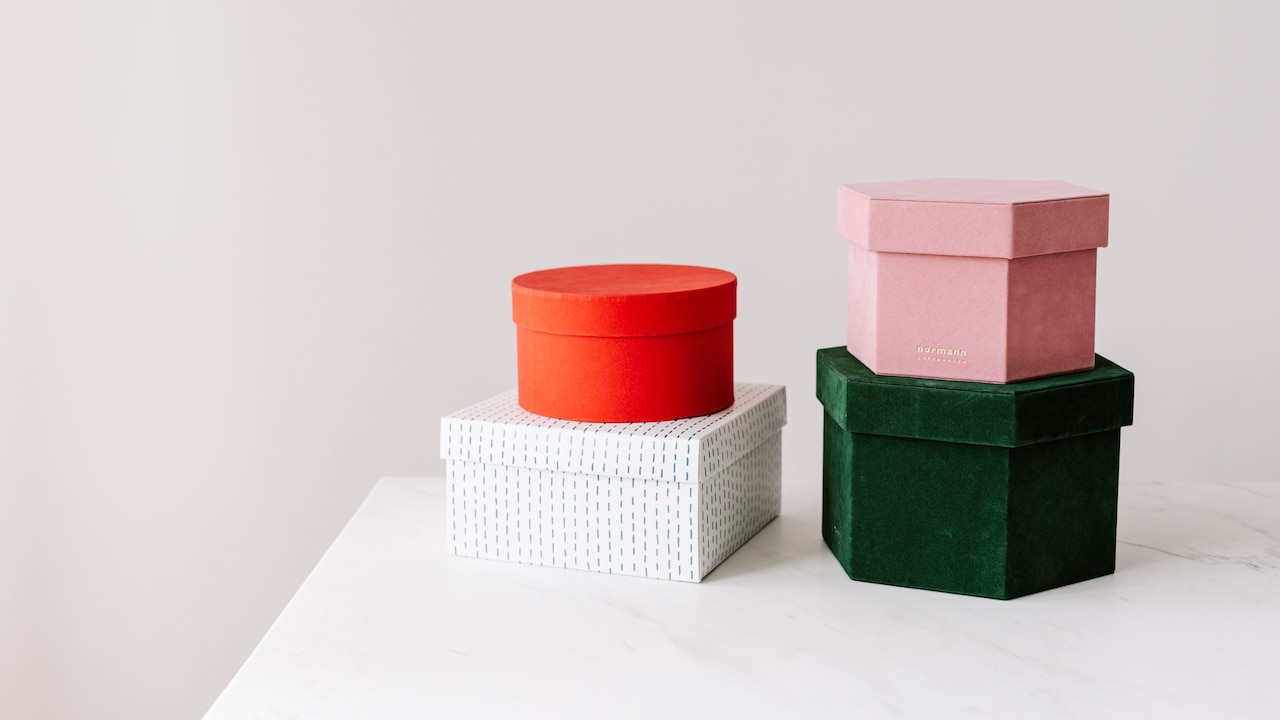
How To Prevent Imitation Jewellery From Tarnishing And Losing Shine; Photo Credit: Pexels
Wipe Jewellery Before Storing
After a long function, removing jewellery often feels like the final task before collapsing into bed. The necklace comes off, the earrings land on the table, and the bangles roll somewhere near the kajal. That tiny moment of laziness can cost the jewellery its shine.
Sweat, perfume, makeup, sunscreen, moisturiser and hair spray stick to imitation jewellery while worn. These substances may look invisible, but they react with metal plating. Over time, they cause blackening, dullness and greenish marks. A simple wipe before storage can prevent much of this damage.
Use a soft, dry cotton cloth or a microfibre cloth. Gently wipe the surface, hooks, back of earrings, necklace clasps and ring bands. Do not use wet wipes, sanitiser, soap water or harsh cleaning liquids. These can strip the polish and make the piece look older. For stone-studded jewellery, wipe around the stones with care. Do not press too hard, as glue settings can loosen. This two-minute habit can add months to the life of a favourite accessory. It feels small, but jewellery notices.
Avoid Perfume And Lotion Contact
Perfume may complete an outfit, but it does not mix well with imitation jewellery. The alcohol and chemicals in fragrance can damage plating. Body lotion, sunscreen, deodorant and makeup can also create a sticky layer that attracts dust and speeds up tarnish. The result is familiar: blackened chains, dull earrings and rings that leave marks on the skin.
The safest rule is simple. Wear jewellery last and remove it first. Get dressed, apply lotion, spray perfume, finish makeup and let everything dry. Only then wear the jewellery. Spraying perfume directly on a necklace or earrings may feel glamorous for three seconds, but the metal will remember the attack.
This matters even more for partywear pieces. Chokers, layered chains, maang tikkas and hand harnesses often touch skin areas where perfume, sweat and makeup sit together. After use, wipe them properly before storage. If a piece has pearls or stones, keep it far from fragrance. Artificial pearls lose their glow quickly when exposed to chemicals. A little patience while getting ready can save that ₹1,200 necklace bought for wedding season.
Store In A Cool, Dark Place
Sunlight can make imitation jewellery lose colour faster. Bright light and heat weaken coatings, fade stones and make glued parts loose. A sunny dressing table may look pretty in photos, but it is not always kind to jewellery. Heat can also make plastic beads, artificial pearls and enamel work look dull.
Choose a cool, dark and dry place for storage. A cupboard drawer, wardrobe shelf or closed organiser works well. Avoid spots near windows, kitchen counters, bathrooms and damp walls. In many homes, the top shelf of a wardrobe stays dry and safe. Just make sure the box is easy to reach, or the jewellery will disappear into the “special occasion” zone and never come out.
For pieces worn often, keep a small daily-use box. This prevents the habit of leaving earrings on the bedside table or chains near the washbasin. For heavier festive sets, use a separate box and place it inside a cloth bag. This double layer helps protect them from dust, light and air. Jewellery may not ask for five-star treatment, but it enjoys a quiet, shaded room.
Use Anti-Tarnish Paper Or Silica Gel
Anti-tarnish paper and silica gel packets can make a big difference, especially in humid weather. Anti-tarnish paper slows the chemical reaction that causes darkening. Silica gel absorbs extra moisture inside boxes and pouches. Together, they act like small bodyguards for imitation jewellery.
Silica gel packets are easy to find. Many new shoes, bags, electronics and bottles come with them. Instead of throwing them away, place one or two inside jewellery boxes. Make sure the packets stay sealed and away from children and pets. Replace them when they feel damp or old. For a larger jewellery drawer, use a few packets in different corners.
Anti-tarnish strips or paper may cost a little more, but they help protect plated jewellery and oxidised pieces. Even butter paper can offer a basic layer between pieces when nothing else is available. Soft muslin cloth also works well for wrapping delicate items. The idea is not to make storage complicated. It is to create a dry, gentle space where jewellery does not fight air, moisture and friction every day.
Do Not Mix Metals And Finishes
All imitation jewellery ages in the same way. Oxidised silver-tone pieces, gold-plated chains, enamel earrings, pearl chokers and stone bangles need different levels of care. Storing them all together can create scratches, stains and colour transfer. A black oxidised bangle can dull a pale gold bracelet. A sharp ring can scratch a smooth enamel pendant.
Arrange jewellery by type or finish. Keep oxidised pieces in one section, gold-tone pieces in another and stone-studded items separately. Pearls, even artificial ones, need extra softness. Wrap them in cloth instead of plastic if they seem delicate. Heavy necklaces should lie flat. Thin chains should hang or rest separately to avoid knots.
This method also makes styling easier. When a festive outfit needs gold-tone earrings, the right section opens at once. When a cotton kurta calls for oxidised jhumkas, they are not hiding under bangles. Organisation may sound boring, but it saves both time and money. It also stops that dramatic moment when one missing earring appears after the function ends.
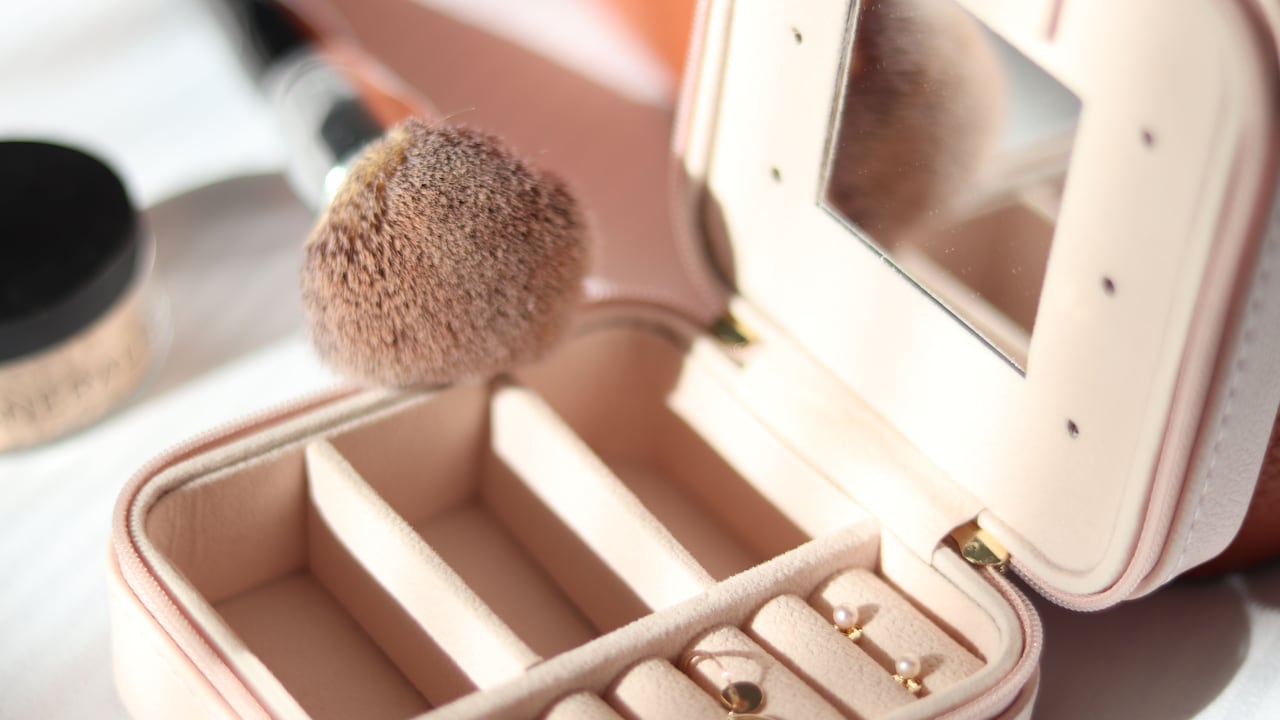
How To Prevent Imitation Jewellery From Tarnishing And Losing Shine; Photo Credit: Pexels
Avoid Wearing Jewellery While Sweating
Storage begins before jewellery enters the box. If a piece goes through sweat, heat and dust all day, it will not stay bright for long. Wearing imitation jewellery during workouts, long market trips, humid travel, or household chores can make it tarnish faster. Sweat contains salts that react with metal plating. Once that reaction starts, blackening becomes difficult to reverse.
This does not mean jewellery should stay locked away like exam certificates. It simply means choosing wisely. Wear lightweight, low-cost pieces for crowded markets or long commutes. Save delicate plated sets for occasions where they will not face too much sweat. During summer weddings, remove heavy jewellery once the main event ends. The dance floor may forgive everything, but your necklace may not.
After wearing jewellery on a hot day, do not put it straight into a pouch. Let it air for a short while on a dry cloth. Then wipe it gently and store it. This small pause prevents trapped sweat from sitting on the metal overnight. Fashion jewellery lasts longer when it gets a little breathing space after a busy outing.
Clean Storage Boxes Regularly
Even the best storage box can become a dust trap. Powder, loose threads, broken stones, hair, old receipts and forgotten safety pins often collect inside jewellery drawers. Dust absorbs moisture and sticks to metal surfaces. Over time, this can make imitation jewellery look dull even when the pieces themselves are not used often.
Clean the storage box once every few weeks. Remove all jewellery and wipe the inside with a dry cloth. If the box smells musty, leave it open in a dry room for some time. Do not spray room freshener or perfume inside it. That only adds more chemicals. Replace torn pouches, dirty cotton pads and old paper liners. Check silica gel packets and change them when needed.
This is also a good time to inspect the jewellery. Look for loose stones, dark spots, bent hooks or broken clasps. Fixing small issues early saves pieces from bigger damage. A neat box encourages better habits too. When storage looks clean, jewellery goes back to its place instead of lying around like a tired guest after a family function.
Travel With Jewellery Carefully
Travel can be rough on imitation jewellery. Suitcases get tossed, handbags overflow, and jewellery often shares space with chargers, clips, coins and lipsticks. By the time the destination arrives, chains tangle, earrings bend, and stones fall out. A little planning can prevent this drama.
Use a small travel organiser or separate zip pouches for each piece. For necklaces, pass one end of the chain through a straw or fold it inside a small tissue before closing the clasp. This helps prevent tangling. Place earrings in tiny pouches or wrap them in a soft cloth. Bangles can go into a cloth roll or a hard case. Avoid keeping jewellery in checked luggage if the pieces are important for a wedding or event. Keep them in hand baggage when possible.
Do not pack jewellery with toiletries. A leaking moisturiser or perfume bottle can ruin several pieces at once. After reaching the destination, remove jewellery from the bag and place it in a dry spot. Hotel bathrooms may look convenient, but they stay damp. A drawer or cupboard shelf works better. Travel memories should include good photos, not blackened earrings.
Products Related To This Article
1. Estele Jewellery Organiser
2. Leawall Plastic 36 Grid Multicolour purpose jewellery organisers box
3. Nibbler 21 Pcs (3 Sizes) Jewellery Organiser Storage Pouches Clear Zip Lock Cover for Rings
4. Vlando 3 Layer Jewelry Storage Box 3 Drawers Transparent Clear Ring Necklace Piercing Earrings Bracelet
5. ELEVEN RINGS Jewellery Box Organisers For Women With 3 Drawers Each With 24 Grid For Keeping Earrings, Rings, Necklace, etc
6. ZEUS Elegant Acrylic Space-Saving Jewelry Storage Box
7. Hanging Jewelry Organizer – 48 Double-Sided Pockets for Earrings
Imitation jewellery does not need royal treatment, but it does need respect. Most pieces turn black too quickly because they face moisture, perfume, sweat, sunlight, dust, and careless storage. Once these habits change, the same jewellery can last through many festivals, office days, college farewells, family dinners, and wedding functions.
The best care routine is simple. Wipe every piece before storing it. Keep it dry. Store it separately. Use airtight pouches, silica gel, and a soft cloth. Keep perfume and lotion away. Avoid damp corners, messy drawers, and bathroom shelves. These steps cost little, but they protect the shine of pieces that often complete an entire look.
A jewellery box should feel like a treasure chest, not a graveyard of blackened chains and lonely earrings. With thoughtful storage, even budget-friendly finds from street markets, online sales and boutique stalls can stay beautiful for longer. After all, style is not always about buying more. Sometimes, it is about taking better care of what already makes the outfit sparkle.
(Disclaimer: This article may include references to or features of products and services made available through affiliate marketing campaigns. NDTV Convergence Limited (“NDTV”) strives to maintain editorial independence while participating in such campaigns. NDTV does not assume responsibility for the performance or claims of any featured products or services.)